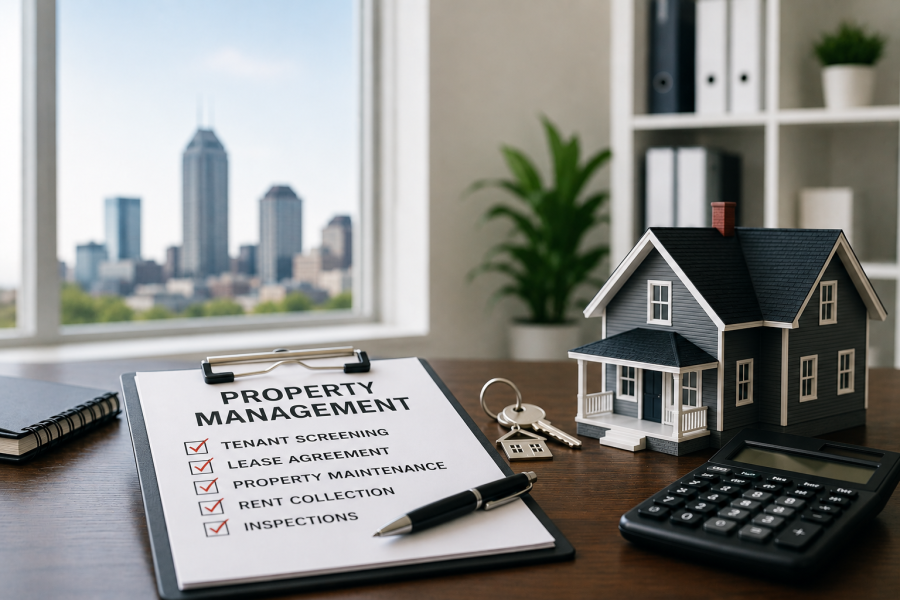
Key Takeaways
- Buying the wrong rental property can create cash flow problems before a tenant ever moves in.
- Skipping proper tenant screening can lead to missed rent, property damage, and legal headaches.
- Poor move-in and move-out documentation can make it harder to prove tenant-caused damage.
- Delayed maintenance often turns small repairs into larger, more expensive problems.
- A slow turnover process can cost landlords money every day the property sits vacant.
Rental property ownership in Indianapolis can be a strong long-term investment, but success depends on more than buying a property and collecting rent. The details matter: tenant screening, maintenance timing, lease documentation, inspections, and turnover planning can all affect your bottom line.
Indiana Property Management Group LLC works with rental property owners throughout Indianapolis and the surrounding suburbs, and many of the same issues come up again and again. Most landlord mistakes are not dramatic at first. They usually start small, then become expensive when they are ignored.
Choosing the Wrong Rental Property

A rental property may look good on paper but still be a poor fit as an investment. Price matters, but it is not the only thing that affects long-term performance.
In Indianapolis, landlords should look closely at the property’s location, age, condition, neighborhood demand, school district, and any restrictions that could limit rental use. A home in a subdivision may seem attractive, but some homeowner associations restrict or limit rentals. Before buying, confirm the current rules directly with the association, not just an old document found online.
Older homes can also be misleading. They may have a lower purchase price, but that does not always mean stronger returns. Roofs, plumbing, HVAC systems, flooring, windows, and electrical updates can quickly eat into cash flow. Rental owners should factor in both routine expenses and larger capital improvements when reviewing the numbers. Rental property owners are generally allowed to deduct certain ordinary and necessary expenses related to managing and maintaining a rental, including repairs, maintenance, insurance, and other rental property expenses, but deductions do not make a poor investment automatically profitable.
For owners still evaluating where and what to buy, reviewing buying investment property in Indianapolis can help frame the decision around long-term rental performance instead of just purchase price.
Skipping a Real Tenant Screening Process
One of the most expensive mistakes a landlord can make is rushing tenant placement. A friend of a friend, a referral, or a tenant who “seems nice” should still go through the same screening process as everyone else.
Good tenant screening helps confirm whether an applicant has:
- Stable income
- A history of paying rent
- Positive rental references
- A record of taking care of previous homes
- A realistic ability to meet lease obligations
The key is consistency. Landlords should apply the same written standards to every applicant to help reduce risk and avoid unfair treatment. Fair housing rules apply to most rental housing, and landlords should understand that housing discrimination) is illegal in nearly all housing situations.
A strong process does not mean being unreasonable. It means being careful. Indiana Property Management Group LLC has a helpful resource on tenant screening tips for rental owners that explains why this step matters so much before approving an applicant.
Poor Property Condition Documentation
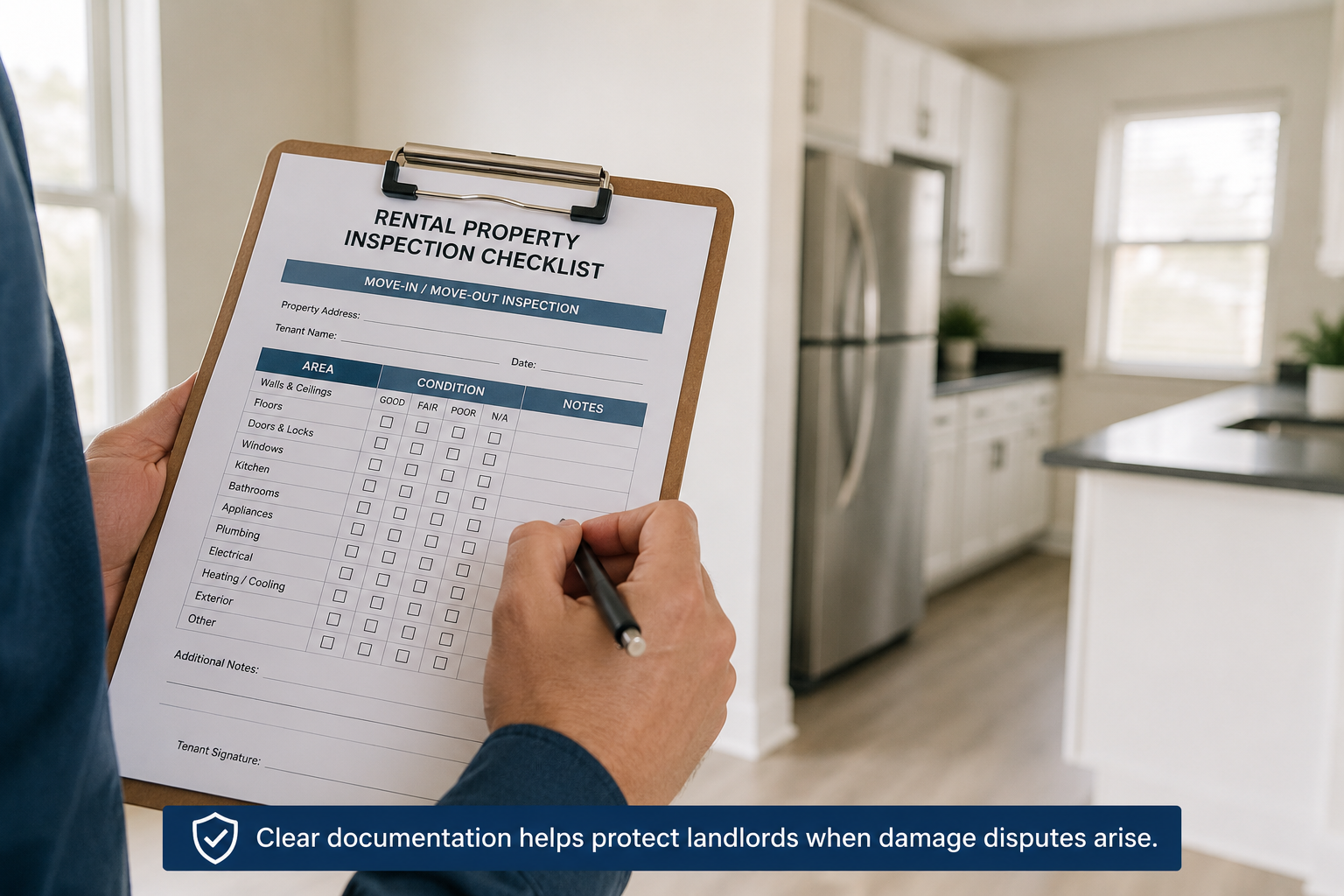
Many landlord disputes come down to one question: can you prove the condition of the property before and after the tenant lived there?
Move-in documentation should include clear photos, videos, notes, and a signed condition report when possible. The goal is to create a reliable record of the property’s condition before the tenant takes possession.
This matters because damage deductions are much harder to support without proof. If there is a hole in the wall, carpet staining, broken blinds, or damaged flooring at move-out, the landlord needs documentation showing that the issue was not already there at move-in.
Good documentation should cover:
- Walls, ceilings, and floors
- Appliances
- Cabinets and countertops
- Bathrooms and plumbing fixtures
- Doors, locks, and windows
- Exterior areas, garages, and yards
The same level of detail should happen at move-out. A rushed walkthrough can lead to missed damage, weak records, and disputes over security deposit deductions.
Not Performing Mid-Lease Walkthroughs
A move-in inspection and move-out inspection are important, but they are not enough. Mid-lease walkthroughs help landlords catch problems while they are still manageable.
These visits can reveal issues such as unauthorized pets, unauthorized occupants, poor housekeeping, water leaks, exterior neglect, or lease violations. A small problem found in month three or four is usually easier to handle than a major issue discovered after a full year.
Mid-lease walkthroughs also send a message that the property is being actively managed. That can encourage better tenant care and help protect the value of the home.
Property damage prevention is not only about reacting after something goes wrong. It is about having systems in place before damage gets out of hand. These tips to avoid tenant damage are useful for landlords who want to reduce preventable problems.
Delaying Repairs and Maintenance
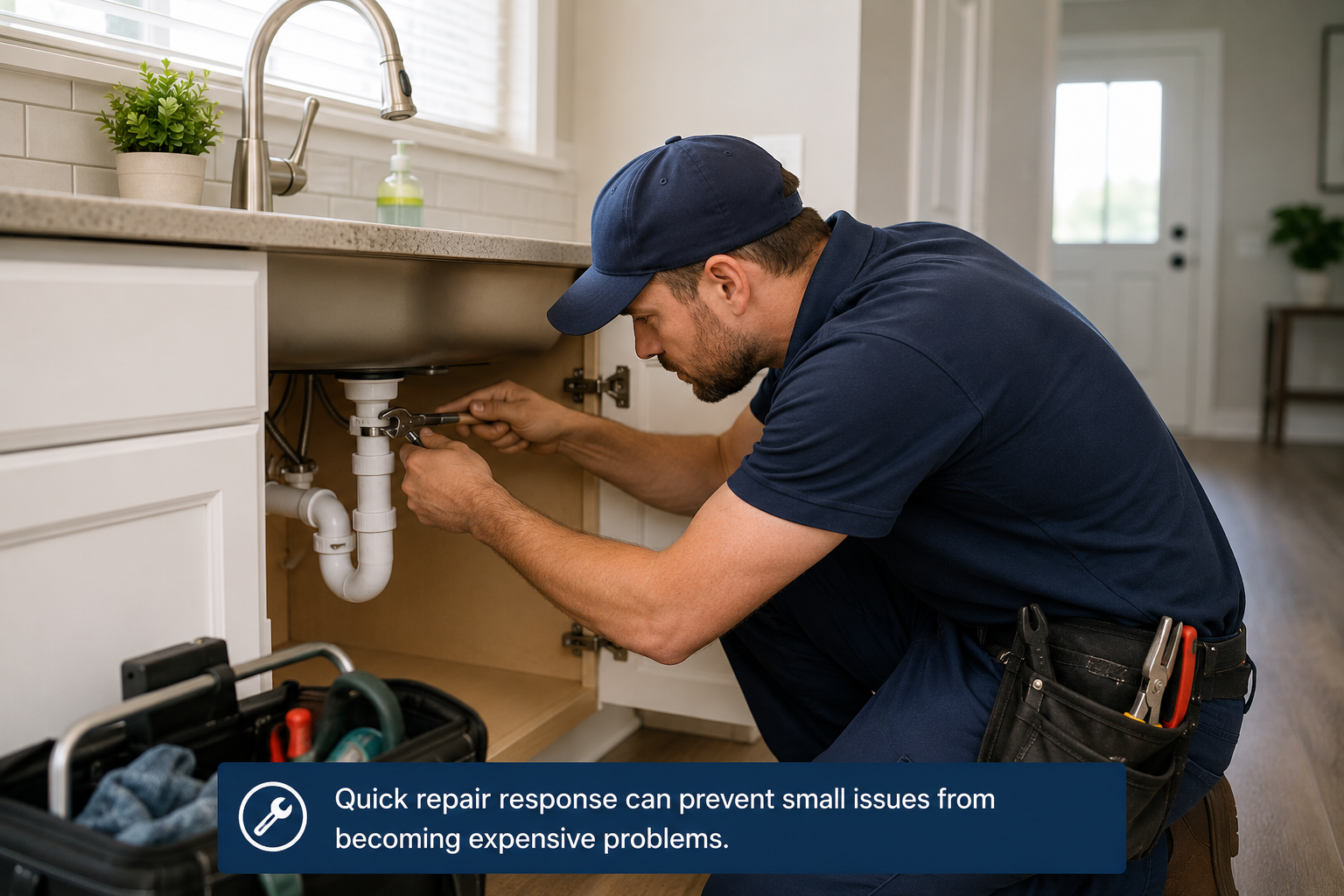
Putting off repairs is rarely a money-saving strategy. A small plumbing leak can become water damage. A loose shingle can become a roof issue. A minor HVAC concern can become an emergency call during extreme weather.
Maintenance affects both the property and the tenant relationship. When tenants see that repairs are handled properly, they are more likely to feel respected and stay longer. That can reduce turnover, vacancy, and leasing costs.
Rental owners should think of tenants as customers while still treating the owner’s investment as the priority. A tenant who feels ignored may be less likely to renew. A tenant who sees the property being maintained is often more likely to take care of it.
When reviewing profitability, landlords should remember that rental property returns depend on income minus expenses. Net operating income is commonly calculated by subtracting operating expenses from real estate revenue, and repairs and maintenance are part of that financial picture. Understanding how rental property operating expenses affect returns can help owners make better management decisions.
Handling Turnovers Without a Plan
Vacancy is one of the biggest hidden costs in rental ownership. Every day a home sits empty is a day without rent.
The turnover process should start before the current tenant moves out. Landlords should have a clear plan for:
- Move-out inspection
- Contractor scheduling
- Repair estimates
- Cleaning
- Paint and flooring work
- Marketing photos
- Listing preparation
- Showing coordination
- Screening the next tenant
Showing a property while the current tenant is still living there can backfire if the home does not show well. In many cases, it is better to move quickly once the tenant leaves, complete the necessary work, take strong photos, and place the property back on the market in its best condition.
A clean, organized turnover process helps reduce vacancy time and improves the chances of attracting a qualified tenant.
Final Thoughts
Most Indianapolis property management mistakes are preventable when landlords have the right systems in place. Buying carefully, screening tenants consistently, documenting property condition, completing walkthroughs, handling repairs quickly, and planning turnovers can make rental ownership much smoother. Indiana Property Management Group LLC helps rental owners protect their properties, reduce avoidable costs, and make better long-term decisions.
Legal Disclaimer:
The information provided in this content is for general educational purposes only and should not be considered legal, financial, tax, or investment advice. Laws, regulations, and market conditions may change and can vary by location. Property owners and investors should consult qualified legal, tax, financial, or real estate professionals regarding their specific situation before making decisions related to rental property ownership or management.
