
- Successful Indianapolis investors research neighborhoods, model expenses conservatively, and understand the legal framework before making an offer.
- Indianapolis offers strong rental yields and stable demand, making it a reliable market for investors focused on consistent cash flow rather than speculation.
- Setting rent at or just below market from day one maximizes occupancy and income, while conservative underwriting ensures cap rates translate into real cash flow.
- Know your target renter demographic and choose the right property type to optimize yield, stability, and appreciation potential.
At Indiana Property Management Group LLC, we work exclusively with rental property owners across the Indianapolis metro and have seen every kind of investment decision play out in real time.
The investors who consistently build wealth here are the ones who do the work before the offer goes in, not after. If you are serious about buying investment property in Indianapolis, this guide covers what actually separates strong returns from disappointing ones in today’s market.
Want to Know More About the Indianapolis Market?
What to Know Before Buying Investment Property in Indianapolis, IN
Buying Indianapolis investment properties means entering a market where the numbers are genuinely compelling.
Indianapolis ranked No. 4 on the National Association of Realtors’ list of top homebuying hotspots for 2026, driven by strong job creation, affordable entry points, and a renter population representing nearly 47% of all households.
Success in the Indianapolis real estate investing market comes down to selecting the right neighborhood, modeling expenses conservatively, and applying Indiana’s landlord-friendly legal framework correctly from the very first lease.
Doing the upfront work ensures your investment property performs as expected and avoids surprises down the line.
Cash Flow
Investors chasing yield in overheated coastal markets are increasingly discovering what local operators in Indianapolis have known for years, that this is a cash-flow market with durable fundamentals, economic growth, and a price-to-rent ratio that still makes sense for purchasing properties.

The National Association of Realtors ranked the Indianapolis real estate market as the No. 4 top homebuying hotspot for 2026, reflecting the city’s strong affordability, sustained job growth, and continued infrastructure investment.
The Rental Market
Understanding current conditions allows investors to buy at the right price, set rent correctly, and avoid the most common mistake new investors make, overpricing their real estate investments at lease-up.
New investors often make the mistake of pricing rent based on what they need to cover costs rather than what the market will bear.
This strategy can result in extended vacancy that erodes expected income. In Indianapolis, real estate investments priced at or just below market from day one consistently generate stronger annual returns than holding out for a higher rent premium.
Want to Know More About How We Can Help?
Pricing Properly
The discipline of Indianapolis investing is conservative underwriting. Cap rates in the metro are high enough to produce real cash flow, but only if expenses are modeled realistically.
Investors who assume top-of-market rent, zero vacancy, and minimal maintenance often face challenges within six months.
Property taxes in Marion County are favorable relative to national norms but are reassessed at the time of sale, so updated estimates are essential.
Insurance is more affordable than in coastal markets, but Indiana’s severe weather risks, including hail, wind, and occasional tornadoes, should be factored into the budget.

A real estate investment that delivers a 7% or higher cap rate under conservative assumptions is a genuine investment opportunity. Conversely, a property that only achieves this under aggressive rent or zero vacancy assumptions is a liability waiting to surface.
Know Your Neighborhoods
Indianapolis covers over 360 square miles, and neighborhood performance in this prime location varies dramatically. Urban neighborhoods such as Broad Ripple, Midtown, and Mass Ave are highly walkable and attract young professionals.
Revitalizing neighborhoods like Fountain Square, Bates-Hendricks, and Beech Grove offer a strong combination of yield and appreciation potential.
Established historic neighborhoods such as Irvington and Meridian-Kessler provide access to structural stability and long-term hold potential.
Finally, suburban areas such as Fishers and Greenwood attract families seeking stability, posting low vacancy rates, higher entry prices, and minimal turnover costs. Indianapolis has a wide array of different investment options to meet your investment goals.
Want to Know More About Us?
Indianapolis Landlord-Tenant Law
Indiana is a landlord-friendly state with no rent control and a clear eviction process under Indiana Code Title 32, Article 31.
Security deposits must be returned within 45 days, and landlords must issue a 10-day notice for non-payment of rent before beginning eviction proceedings. Landlords must also provide 24-hour notice for non-emergency entry and maintain safe, habitable premises.
Floodplain disclosure is required when properties are located in designated areas, and Indiana law provides an expedited process for unauthorized occupancy. Following these rules protects your investment and ensures smooth landlord-tenant relationships.
Match Property Demand to Resident Type
The Indianapolis stands out as having a diverse rental market, and successful investors match their property type to the renter demographic they are targeting. Two-bedroom units make up the largest share of rentals, while family households represent a significant portion of tenants.
Single-family B-class homes that are clean, functional, and professionally managed consistently deliver the best combination of yield, occupancy stability, and resident quality.
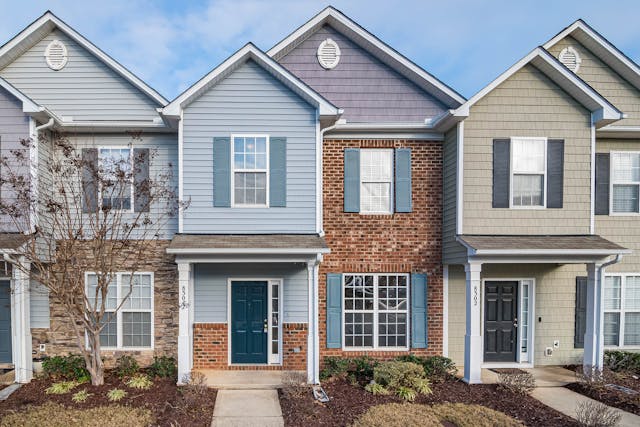
Small multifamily properties, such as duplexes or triplexes, provide an opportunity to diversify income while remaining manageable under Indiana law.
Neighborhoods with strong appreciation potential, including Fountain Square and Bates-Hendricks, are ideal for small multifamily investments.
Ready to Get Started?
Final Thoughts
Indianapolis rewards investors who treat real estate like a business, not speculation. Returns are predictable, the legal environment is favorable, and tenant demand is durable, but only if every detail is handled correctly from the outset.
At Indiana Property Management Group LLC, we provide a free rental analysis for prospective investors and current owners. Our analysis includes market rent assessments, comparable property data, and realistic operating costs based on current conditions in Indianapolis.
