
A lot of Indianapolis homeowners are asking a fair question right now: should I sell my home, or would it make more sense to rent it out?
With homes taking longer to sell in some situations, higher interest rates affecting buyers, and many owners wanting to hold onto favorable mortgage terms, renting can be worth considering. Indiana Property Management Group works with homeowners and investors across Central Indiana, and the right answer usually comes down to numbers, timing, and whether you are prepared to operate the property like a business.
Key Takeaways
- If your home is not selling as quickly as expected, renting may give you more flexibility while you continue building equity.
- New landlords often underestimate expenses like vacancy, maintenance, repairs, taxes, insurance, and long-term capital improvements.
- A former personal home can be harder to manage emotionally because business decisions need to be made objectively.
- Self-managing can work, but it requires time, contractor relationships, legal awareness, and comfort handling tenant issues.
- Hiring a property manager can help owners who want rental income without managing every detail themselves.
Renting Can Make Sense, But Only If the Numbers Work

Turning your Indianapolis home into a rental can be a smart move when the property supports itself financially. It may allow you to hold onto an appreciating asset, keep a low mortgage rate, generate monthly cash flow, and preserve the option to move back into the home later.
But the decision should not be based on frustration with the sales market or attachment to the home. It should be based on a clear rental analysis.
Before you decide, look closely at:
- Monthly mortgage payment
- Property taxes
- Homeowners insurance or landlord insurance
- HOA dues, if applicable
- Expected maintenance
- Vacancy between tenants
- Leasing costs
- Long-term repairs, such as roof, HVAC, or water heater replacement
- Realistic market rent
The most important question is not “Can I rent it?” The better question is “Can I rent it at a price that makes financial sense?”
If you are unsure where to start, reviewing professional Indianapolis property management services can help you understand what is involved in leasing, maintenance, tenant communication, and ongoing oversight.
Start With a Realistic Rent Estimate

Many homeowners overestimate what their property will rent for because they are emotionally attached to the home. They remember what they paid for upgrades, how much they enjoyed the neighborhood, or what they need the rent to be.
The market does not work that way.
Rent is based on what qualified tenants are willing to pay for similar homes in similar areas. Location, bedroom count, condition, school district, parking, layout, yard space, and nearby amenities all matter.
Indianapolis is a large rental market, with a population of more than 900,000 residents, so rental demand can vary significantly by neighborhood and property type local housing and population data. A home in one part of the city may lease quickly, while another may need pricing adjustments, updates, or better presentation.
A strong rent estimate should compare your home against active rentals and recently leased properties, not just homes listed for sale.
Do Not Forget the Costs New Landlords Often Miss
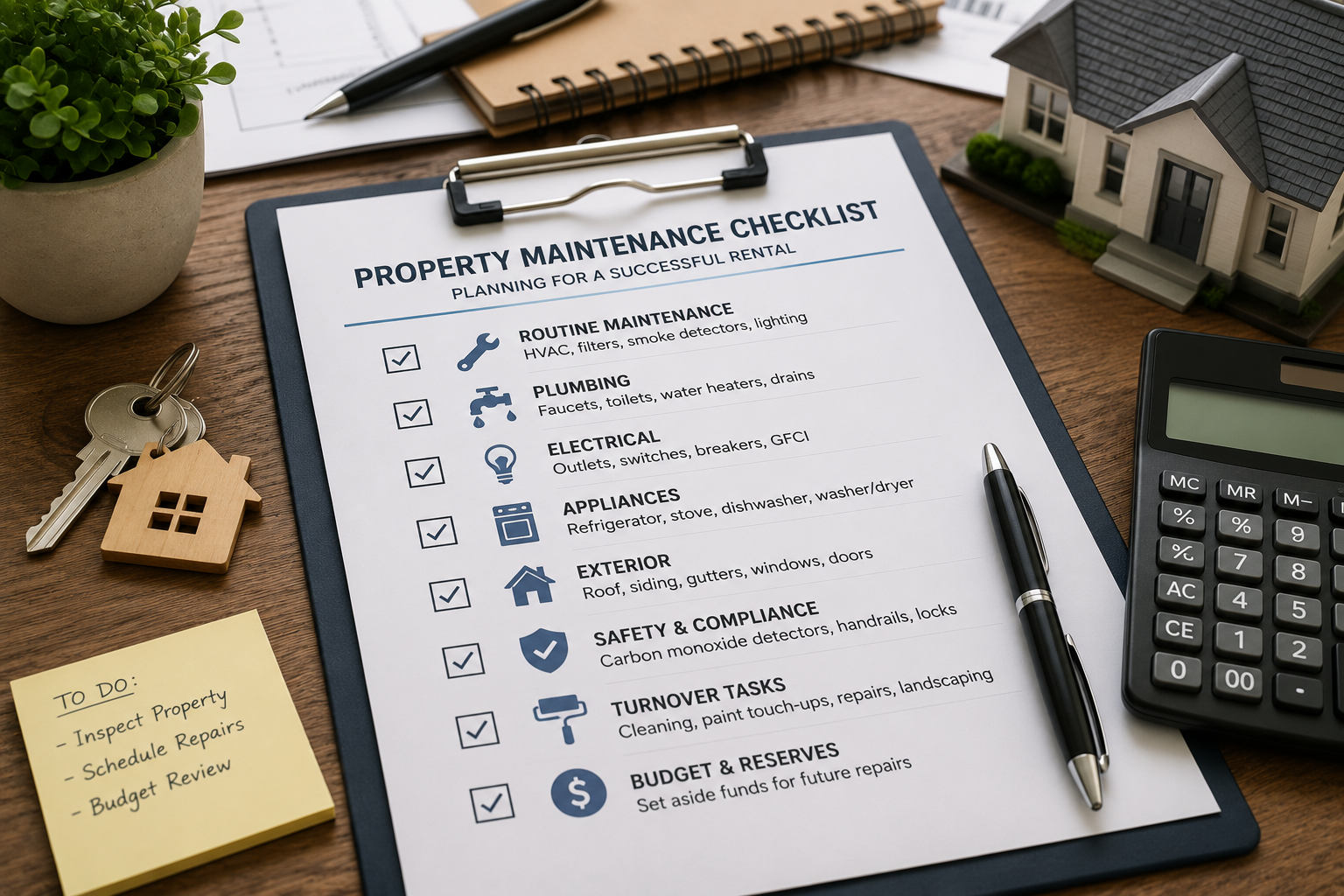
A common mistake is only comparing rent to the mortgage payment.
For example, if your mortgage is $1,700 and the home may rent for $2,100, that does not automatically mean you are making $400 per month. You still need to account for expenses that do not happen every month but are very real over time.
These may include:
- A vacant month between tenants
- Minor maintenance requests
- Appliance repairs
- Plumbing or HVAC issues
- Turnover cleaning
- Paint and flooring touch-ups
- Landscaping
- Pest control
- Lease preparation and compliance
- Major replacements over time
Rental property expenses may include items such as mortgage interest, real estate taxes, insurance, repairs, maintenance, and depreciation rental income and expense rules. That does not mean every expense is handled the same way, but it does mean owners should keep clean records from the beginning.
If you want a more practical breakdown, Indiana Property Management Group has also covered tips for renting out your Indianapolis home in more detail.
Be Honest About Whether You Want to Be a Landlord
Owning a rental property can provide real benefits, but it also comes with real responsibilities.
Once the property is leased, you are no longer just a homeowner. You are operating a rental business. That means tenants may contact you about maintenance, payments, lease questions, neighbor issues, property condition, and move-out expectations.
Some owners handle this well. Others find it stressful, especially when the property used to be their personal home.
That emotional piece matters. If a tenant does not care for the home exactly the way you did, will you be able to respond professionally? If a tenant pays late, will you follow the lease consistently? If a repair is needed at an inconvenient time, do you have the time and contacts to handle it quickly?
The mental side of becoming a landlord is often just as important as the financial side.
Understand the Legal and Compliance Side

Landlords also need to understand fair housing rules, lease requirements, security deposit handling, habitability expectations, notice requirements, and proper documentation.
Fair housing compliance is especially important. Housing providers must avoid discrimination in rental advertising, showings, screening, leasing, and ongoing tenancy decisions federal fair housing protections.
That does not mean landlords need to be afraid of renting their home. It means they need a consistent process.
A proper rental process should include:
- Written rental criteria
- Consistent application review
- Clear lease terms
- Documented move-in condition
- Timely maintenance response
- Organized payment records
- Proper communication logs
- A documented move-out process
Good systems protect both the owner and the tenant.
Should You Self-Manage or Hire a Property Manager?
Self-management can work well for some owners. It is usually a better fit if you live nearby, have flexible time, understand rental laws, know reliable contractors, and are comfortable having firm conversations when needed.
Before self-managing, ask yourself:
- Can I respond quickly when maintenance comes up?
- Do I know what rent to charge?
- Can I screen tenants properly and consistently?
- Do I know which contractors to call?
- Can I inspect the home when needed?
- Do I understand lease enforcement?
- Am I comfortable discussing late rent or lease violations?
The contractor piece is bigger than many new landlords realize. Knowing who to call can save hundreds or even thousands of dollars over time. Calling the wrong person, waiting too long, or approving the wrong repair can quickly eat into your rental income.
For owners thinking long-term, rental property can be part of a broader investment strategy. Holding a home may support equity growth, cash flow, and future flexibility, especially when viewed through the lens of real estate investing in Indianapolis.
When Renting Your Home May Not Be the Right Move
Renting is not always the best answer.
It may not make sense if the home will not rent for enough to cover expenses, if you need the sale proceeds soon, if the property needs major repairs before leasing, or if you are not prepared for the responsibilities that come with being a landlord.
It may also be the wrong fit if the decision is purely emotional. Keeping a home because you are not ready to let it go can create problems if the numbers do not work.
A rental property should be treated like an investment. If the investment does not make sense on paper, selling may still be the better decision.
Final Thoughts
Renting out your Indianapolis home can be a smart decision when the property has strong rental potential, the expenses are realistic, and you are prepared for the responsibilities of ownership. It can also become stressful if you move forward without a clear plan.
Indiana Property Management Group helps homeowners and investors think through these decisions with practical experience from managing rental homes across Central Indiana. The best next step is to look at the numbers, understand the responsibilities, and decide based on facts rather than emotion.
